
Industries
Agricultural export logistics and customs clearance from Thailand
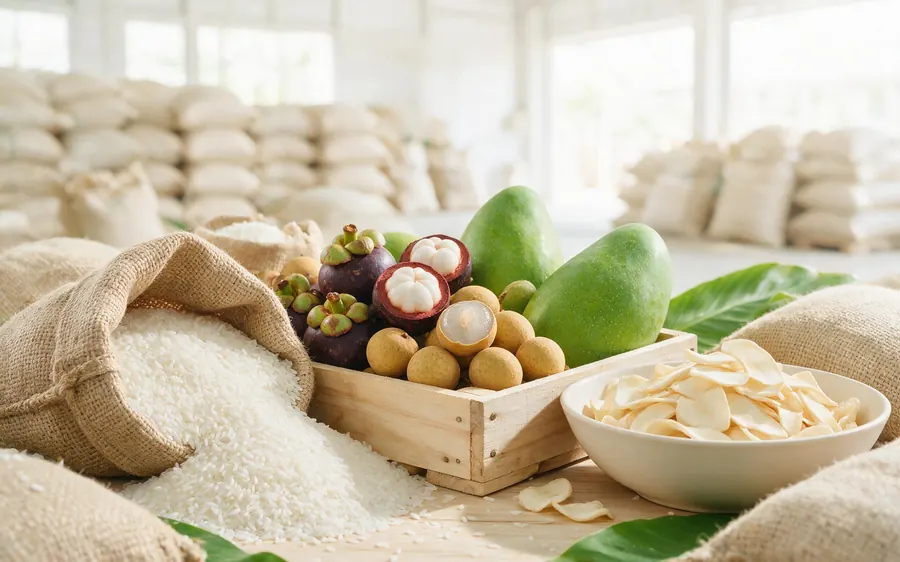
Rice, rubber, tapioca, and fresh produce, with phytosanitary and fumigation handled.
Pain points
Common challenges
-
Phytosanitary clearance
Origin inspection, fumigation records and the phytosanitary certificate have to describe the same shipment, or the container waits at the destination port.
-
Seasonal volume swings
Harvest peaks arrive at the same time as equipment shortages and blank sailings, and space booked late costs a multiple of space booked early.
-
Moisture and contamination
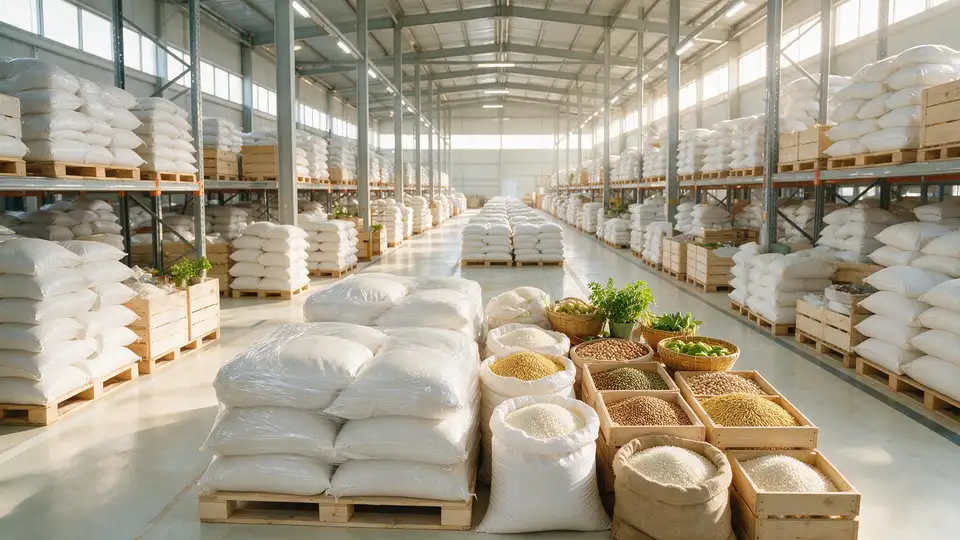
Bulk agricultural cargo takes on moisture in transit; the wrong container preparation turns a clean load into a rejected one.
How we move Agricultural Goods
- Bulk and containerised sea freight for rice, tapioca, and rubber
- Reefer and ventilated containers for fruit and vegetables
- Airfreight for high-value fresh produce
- Cross-border trucking to Laos, Cambodia, Malaysia, and southern China
Common questions
Agricultural Goods: common questions
When should a phytosanitary certificate be arranged?
Apply once the consignment is packed and the vessel is confirmed, because the certificate is issued against that specific consignment and sailing. Applying too early means a re-issue if the booking rolls; applying too late means the container misses the cut-off. We work backwards from the vessel cut-off and tell you the inspection date we need.
Which agricultural exports need a CITES permit?
Species listed in the CITES appendices — which for Thai exports most often means certain orchids, cycads, agarwood, and rosewood timber. If your product line touches any listed species, the permit is required per shipment and takes longer than a phytosanitary certificate, so it has to be started before the booking.
Can you get a Form D or Form E so my buyer pays less duty?
Yes. We prepare and file Certificate of Origin applications with the Department of Foreign Trade, including ASEAN Form D, ASEAN-China Form E, and ASEAN-Korea Form AK. The saving goes to your buyer at the destination, so it is worth confirming which form they need before shipping rather than after.